
Jodoin Studio, the blog
- Manon Jodoin
- Dec 16, 2025
- 3 min read
Welcome to the new Jodoin Studio blog
My name is Manon Jodoin. I am a painter, surface pattern designer, and editor working in service of fellow visual creators. I create from my home studio in Montreal, Quebec—a space that is both intimate and structured, designed to support exploration and creative focus.
I have been painting for many years, primarily in watercolour. Painting has always been, for me, a place of freedom: a way to slow down, observe, transmit, and allow what cannot always be expressed in words to emerge. Women, transmission, abstraction, and inner landscapes are central sources of inspiration in my work. I am drawn to creating poetic, sometimes quiet pieces where emotion takes precedence over literal representation.
A few years ago, I discovered the world of surface pattern design—and found another creative playground. One that is more structured, more narrative, but just as expressive.
Today, these two practices coexist and inform one another.
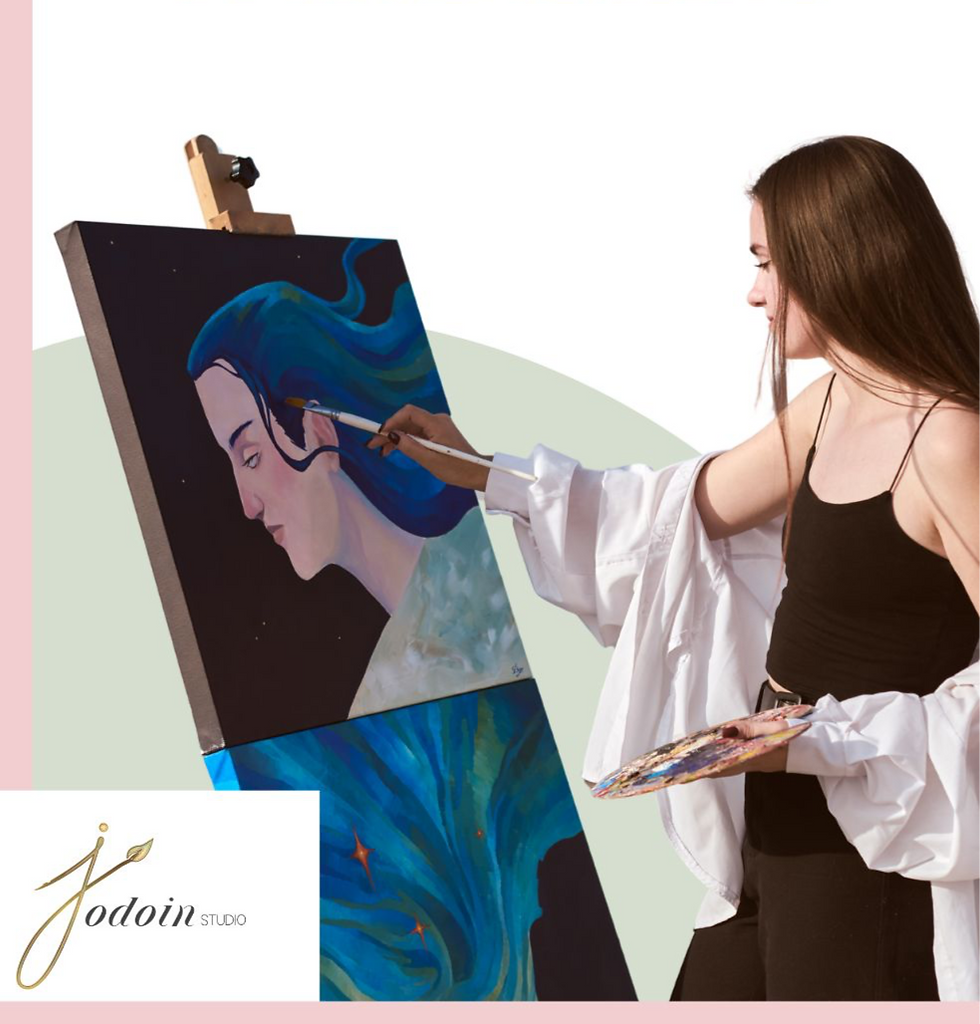
(Here, two examples of paintings that reflect my artistic universe.)


Painting and Pattern Design: Two Complementary Approaches
When I work on surface pattern design, my process shifts. It becomes more methodical, more intentional. The themes expand, technical constraints come into play, and the work often unfolds within a collection or with a specific application in mind.
At its core, however, the intention remains the same: to create work that lives in everyday life, that enhances objects, spaces, and simple daily gestures.
What Is Surface Pattern Design?
A surface pattern is any visual creation designed to be applied to a surface for decorative purposes. An illustration can be a surface pattern. A painting can be one as well.In industry terms, however, surface pattern design most often refers to artwork created for everyday products such as textiles, stationery, wallpaper, ceramics, accessories, and decorative objects.
In this sense, surface pattern design creates a bridge between art and object.
(Example of a surface pattern created for an origami-style bag.)


Seamless Patterns
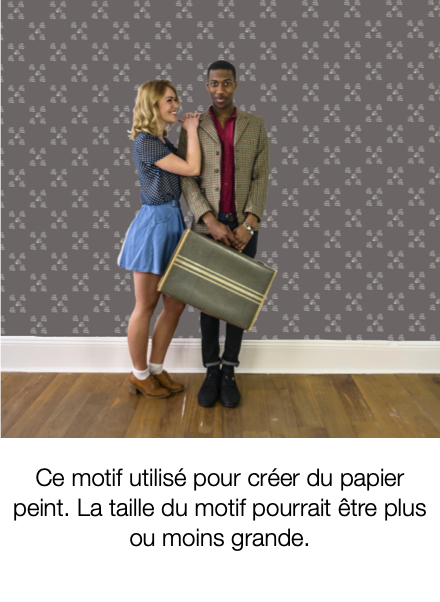
There is also a specific category known as the seamless pattern, or repeat pattern.A seamless pattern is designed so that it can be placed side by side with copies of itself without any visible breaks or interruptions. This allows the design to repeat endlessly, making it ideal for backgrounds, textiles, wallpaper, and objects of all sizes.
A single pattern can therefore take on many forms, depending on how it is applied.
(Example of a seamless pattern and some of its possible applications.)


Why This Blog?
Quite simply, because I was looking for it myself.
I spent a long time searching for a French-language blog dedicated to surface pattern design—one that addressed not only creation, but also structure, industry realities, distribution, and the broader life of an artist. While there is an abundance of resources in English—blogs, courses, videos, communities—very little exists in French.
This blog was born from that gap, and from a desire to share.
Here, I will write about:
creating surface patterns, with and without repeats
creative processes and stylistic exploration
reflections on artistic practice
practical ways to structure and sustain creative work
and, when relevant, avenues for sharing, producing, and generating income from patterns and illustrations
This blog is intended as a bilingual space (French and English), open to artists, illustrators, and surface pattern designers from here and elsewhere. I explore creation from artistic, technical, and reflective perspectives, with the goal of making these ideas accessible to a wider community while maintaining a thoughtful, human approach.Whether you create for pleasure, to explore your visual language, or to build a professional practice, you will find insights, tools, and reflections here to help you move forward with greater clarity and intention.
Where to Find Me
www.jodoinstudio.com
www.instagram.com/jodoinstudio
www.facebook.com/jodoinstudio
www.pinterest.ca/Jodoinstudio/


Comments